
If you are wondering about the things to buy in Egypt in 2027, start with products that have a real connection to the country rather than filling your suitcase with random tourist trinkets. Genuine papyrus, Egyptian cotton, Luxor alabaster, Egyptian jewellery and local spices are five purchases worth looking at closely.
They also cover very different budgets.
A small packet of spices can make an easy gift. Papyrus is light enough for luggage. Egyptian cotton is useful at home. Jewellery takes almost no suitcase space. Hand-carved alabaster gives you a more substantial piece of Egyptian craftsmanship.
The challenge is knowing what is genuine.
Egypt’s official tourism portal lists papyrus art, Egyptian cotton, cartouches, jewellery, pottery and replicas among characteristic local purchases, which is a good starting point when deciding what feels genuinely connected to your trip. Experience Egypt’s shopping guide gives a useful overview of traditional shopping categories.
This guide focuses on five purchases that combine Egyptian identity, usefulness and gift potential.
Quick Guide: 5 Things to Buy in Egypt in 2027
| What to buy | Why it is worth considering | Main authenticity check | Easy to pack? |
|---|---|---|---|
| Egyptian papyrus | Strong connection to ancient Egyptian material culture | Look for cross-grain plant fibres | Yes |
| Egyptian cotton | Practical for towels, robes and home textiles | Check fibre claims and certification | Usually |
| Luxor alabaster | Natural stone and Egyptian carving tradition | Check banded calcite and natural variation | Depends on size |
| Egyptian jewellery | Small, wearable and symbolic | Check metal, hallmark and product description | Yes |
| Egyptian spices | Useful, inexpensive food gift | Check aroma, ingredients and sealed packaging | Yes |
If you are still comparing a wider range of gifts, the Ankhaz guide to souvenirs in Egypt covers papyrus, perfume, jewellery, cotton, alabaster, magnets and other ideas in more detail.
1. Authentic Egyptian Papyrus
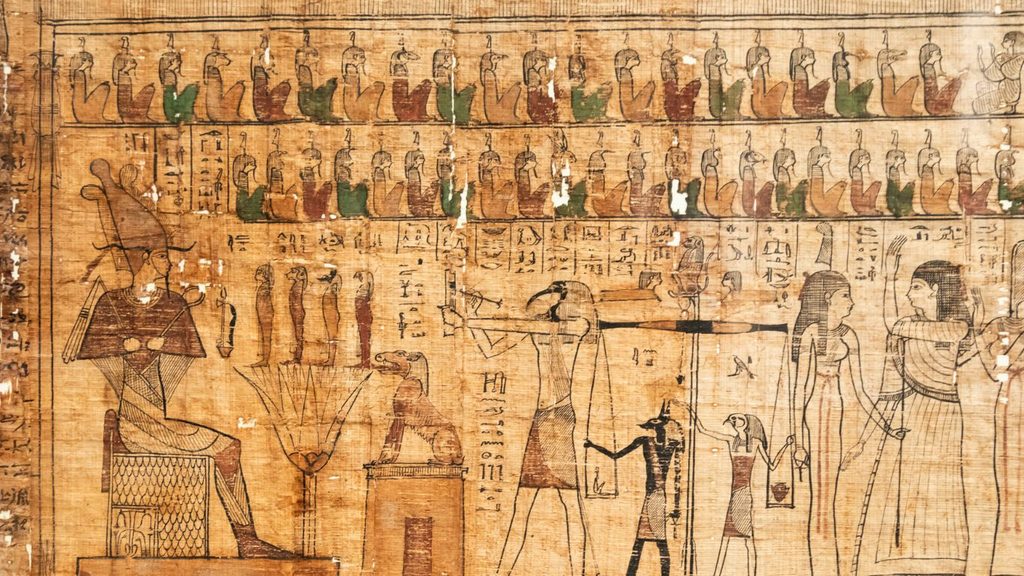
Papyrus is one of the easiest Egyptian souvenirs to recognise and one of the easiest to fake badly.
That makes the material more important than the painting.
Genuine papyrus is made from the pith of the papyrus plant. The material is cut into strips and arranged in layers running in different directions. The Metropolitan Museum of Art explains that traditional papyrus sheets usually use two perpendicular layers, which create the characteristic crisscross fibre pattern visible in the finished sheet. Read The Met’s explanation of papyrus making.
When shopping, look at the sheet before focusing on the artwork.
You should be able to see fibres running across and along the papyrus rather than a flat paper-like surface.
Modern Egyptian papyrus is often painted with scenes showing:
- Tutankhamun
- Nefertiti
- the ankh
- the Eye of Horus
- pharaonic processions
- lotus flowers
- hieroglyphic-style designs
- ancient Egyptian gods
A modern papyrus painting is not an antiquity, and it should never be sold as one.
Its value comes from being a modern work made on a material closely linked to Egyptian history.
How to Avoid Fake Papyrus
Do not judge authenticity from rough edges or an artificially aged brown colour.
Those effects can be created on many materials.
Instead, check the fibre structure, ask what the sheet is made from and look for close-up photos if buying online.
Do not pour water on a painting to “test” it. Water can damage artwork and is not a sensible authenticity check.
Ankhaz has a detailed guide explaining how to buy authentic Egyptian papyrus online and what to inspect before ordering.
Who Should Buy It?
Papyrus works especially well for someone who enjoys history, art or home decoration.
It is also practical for travellers because an unframed sheet is much lighter than stone, ceramic or glass.
Before buying a large piece, check its dimensions so you know how you will transport it.
2. Genuine Egyptian Cotton
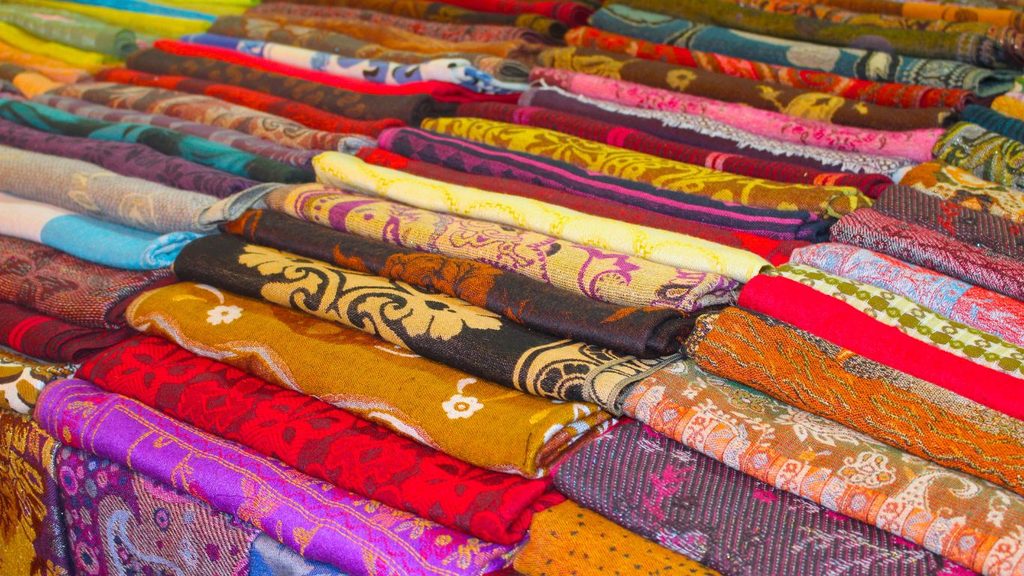
Egyptian cotton has a reputation far beyond Egypt, which also means the name can be used loosely.
Do not buy a towel simply because a seller says it is “Egyptian quality”.
Check what the label actually says.
The Egyptian Cotton Association manages the registered Egyptian Cotton trademark and operates accreditation and traceability systems intended to verify genuine Egyptian cotton through the supply chain. Its process includes auditing and DNA-based verification. The Egyptian Cotton Association explains its authentication programme here.
That makes the official trademark useful when you are paying extra for a genuine Egyptian Cotton claim.
What Egyptian Cotton Should You Buy?
For travellers, the most practical options are usually:
- bath towels
- hand towels
- bathrobes
- lightweight clothing
- bedding
- pillowcases
A large bedding set can become heavy in luggage, while a towel or robe is easier to manage.
If you are staying in Hurghada or El Gouna, cotton towels and resort wear also make sense because you can use them during the holiday before taking them home.
Ankhaz has a separate buyer’s guide covering authentic Egyptian cotton towels in Egypt, including what to check before ordering from a Red Sea resort.
Does All Egyptian Cotton Mean Extra-Long Staple?
No.
That is an important distinction.
Egypt grows different cotton varieties, and buyers should not assume every product carrying an Egyptian cotton claim is automatically made from extra-long-staple fibre.
If a seller makes a specific premium fibre claim, look for evidence supporting it.
For everyday shopping, concentrate on the fibre content, seller information, construction and certification rather than simply chasing the most luxurious wording on the label.
Who Should Buy It?
Egyptian cotton is a strong choice for parents, couples, homeowners and anyone who prefers practical gifts.
Unlike many decorative souvenirs, a good towel or robe can be used every week.
3. Hand-Carved Luxor Alabaster
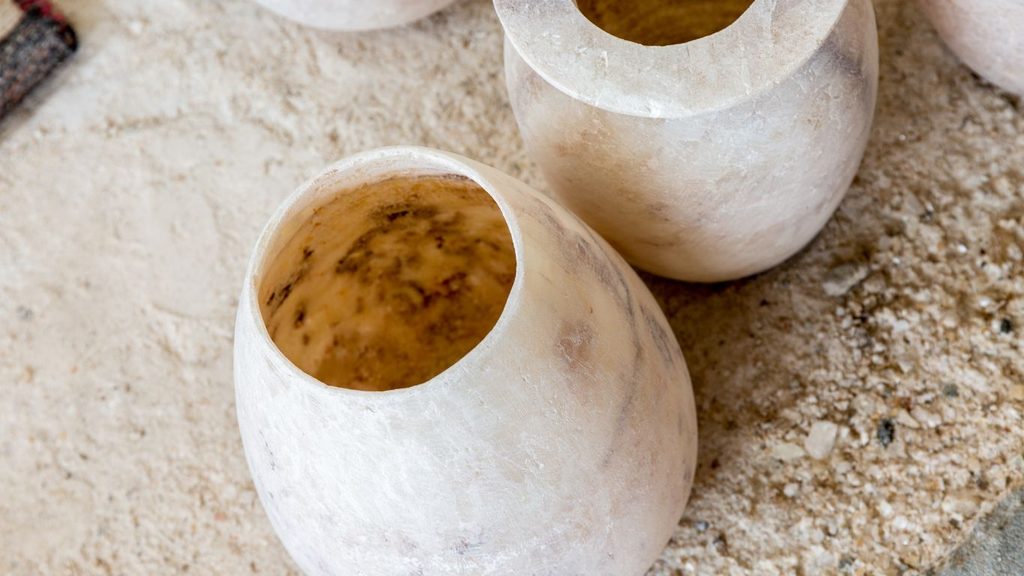
For something more substantial, look at Egyptian alabaster.
The name needs a little explanation.
In Egyptian archaeology, “Egyptian alabaster” commonly refers to banded calcite rather than the gypsum material often called alabaster elsewhere.
The British Museum holds Egyptian objects made from banded translucent calcite, including vessels showing white, cream and yellow-brown mineral bands. This British Museum alabastron is a useful example of the material.
Modern Luxor artisans continue to carve decorative stone pieces such as vases, bowls and figures.
Ankhaz currently features a Luxor alabaster vase described as carved by artisans in Luxor.
How to Recognise Real Egyptian Alabaster
Look for natural variation.
Real calcite can show bands in:
- cream
- white
- honey
- beige
- yellow-brown
- darker mineral veins
Two genuine pieces do not need to have identical patterns.
That is one advantage of natural stone.
You can also use your phone torch as one clue. Thin areas of calcite-alabaster may allow light through, creating a soft glow.
But do not use translucence as the only test.
Some resins can also transmit light.
Check the mineral pattern, weight, surface, inside of the vase and seller’s material description as well.
Handmade Does Not Mean Perfectly Rough
A hand-carved vase can still be polished and smooth.
What you may notice are small differences around the rim, base, inner wall or carved sections.
Ask two separate questions:
What material is it made from?
How was it shaped?
A machine-shaped piece of genuine calcite can still be real Egyptian stone. It simply is not the same thing as a hand-carved object.
Who Should Buy It?
Alabaster suits someone interested in interior design, Egyptian craft or natural stone.
It is less suitable when you have very limited luggage allowance.
If you are ordering online, check the dimensions and delivery method carefully.
4. Egyptian Jewellery and Cartouches
Jewellery solves one of the biggest souvenir problems: suitcase space.
A small pendant can carry far more meaning than a much larger decorative object.
Common Egyptian designs include:
- ankh pendants
- scarabs
- Eye of Horus jewellery
- cartouches
- lotus motifs
- ancient Egyptian geometric patterns
A cartouche is especially popular because it can be personalised with a name represented in modern hieroglyphic-style characters.
The official Experience Egypt shopping guide specifically highlights gold cartouches and ankh jewellery among characteristic Egyptian purchases.
Check the Metal Before Paying
A gold-coloured pendant is not necessarily gold.
A silver-coloured bracelet is not necessarily sterling silver.
Ask what the item is made from and look for appropriate hallmarking or documentation when buying precious metals.
Terms such as “gold plated” and “gold colour” do not mean solid gold.
Price alone is not proof either.
When buying an expensive piece, use a seller who clearly states the metal, weight where relevant and product specifications.
Choose the Symbol for the Person
The ankh is associated with life in ancient Egyptian iconography.
The Eye of Horus has strong protective and restorative associations in ancient Egyptian tradition.
The scarab is closely associated with regeneration and rebirth.
If you are especially interested in the ankh, Ankhaz has a separate guide explaining the meaning of the Ankh symbol.
Who Should Buy It?
Jewellery works well for partners, close friends and family members.
It is also one of the easiest Egyptian gifts to send internationally because it takes very little parcel space, although rules for valuable jewellery can depend on destination and shipping service.
5. Egyptian Spices and Dukkah
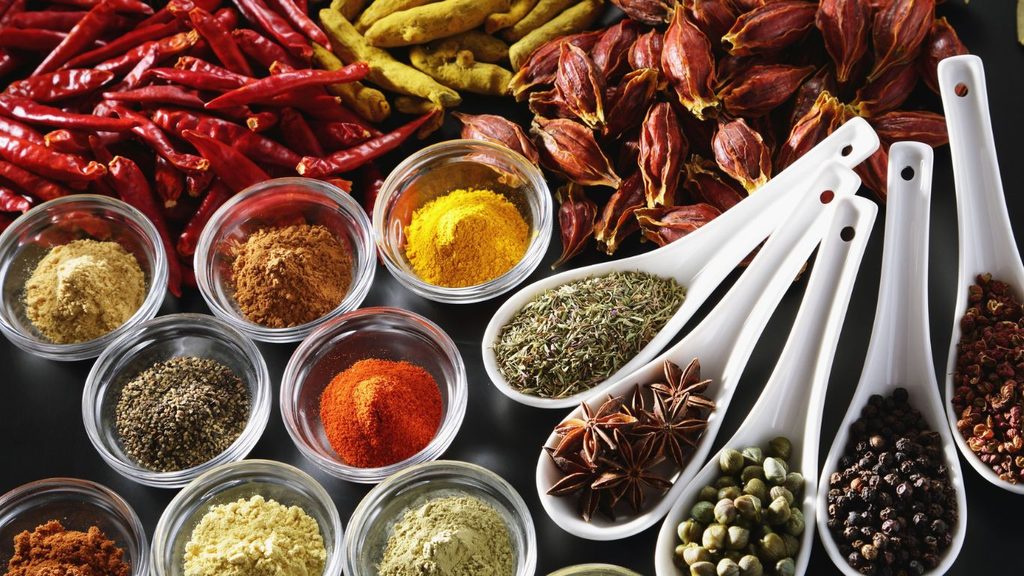
Not every souvenir needs to sit on a shelf.
Food can bring back a memory much faster than another decorative object.
For that reason, Egyptian spices are one of the most practical things to buy in Egypt if you cook at home.
Good options include cumin, dried coriander, dukkah and Egyptian-style mixed seasonings.
Ankhaz’s guide to authentic Egyptian spices explains five useful choices and how Egyptians commonly use them.
Start With Cumin
Cumin is common in Egyptian cooking and works well with beans, lentils, fish and many savoury dishes.
It is also useful outside Egyptian cooking, so it is unlikely to sit untouched in a cupboard.
Whole seeds usually hold their aroma longer.
Ground cumin is more convenient.
Choose based on how you cook.
Try Dukkah for Something More Distinctive
Dukkah is an Egyptian mixture built around nuts, seeds and spices.
Recipes vary between makers.
That variation is normal.
One blend may contain more sesame, while another may lean more heavily on cumin, coriander or nuts.
Always read the ingredients carefully because dukkah commonly contains allergens such as nuts and sesame.
Check Aroma, Packaging and Ingredients
Spices should smell like something.
If a packet of cumin smells dusty and weak, it may have been sitting around too long.
For flying home, sealed packages are easier to manage than loose powders in unlabelled bags.
They also give you clearer information about ingredients and allergens.
Who Should Buy Them?
Spices work well for cooks, food lovers, colleagues and hosts.
They also make a good addition to a gift box with dates, sweets or other Egyptian food products.
What About Cheap Egyptian Souvenirs?
You do not need to spend heavily on every person.
If you are buying for 20 colleagues, magnets, small decorative pieces and inexpensive food gifts may make far more sense than papyrus or jewellery for everyone.
The larger Ankhaz souvenirs in Egypt guide covers smaller purchases alongside the five categories in this article.
The useful rule is to match the gift to the person.
Buy a small magnet for a colleague.
Buy a personalised piece of jewellery for someone close.
Buy cotton for someone who values practical gifts.
Buy papyrus for the history fan.
Buy spices for the person who always asks what you ate on holiday.
Where Should You Buy Souvenirs in Egypt?
You have three main choices: traditional markets, specialist shops and online sellers.
Markets give you the experience of browsing, comparing and sometimes bargaining.
Specialist shops can be better when you need detailed information about a particular product, such as gold, cotton or papyrus.
Online shopping is useful when you want to compare specifications without standing in a crowded tourist area.
It can also help travellers staying at Red Sea resorts.
If you are in Hurghada, Marsa Alam or Sharm El Sheikh and would rather spend your remaining holiday time at the beach, Ankhaz has a guide explaining how to arrange authentic Egyptian gifts delivered to your Red Sea resort.
For any online purchase, check the product description, dimensions, material and current delivery options before paying.
How to Avoid Tourist Souvenir Mistakes in 2027
The biggest mistake is buying the story instead of the product.
A seller can tell you that something is handmade, ancient, rare or made from a special material.
Look for something that supports the claim.
- For papyrus, inspect the fibre.
- For Egyptian cotton, check the label and certification.
- For alabaster, inspect the natural stone pattern.
- For jewellery, check the metal.
- For spices, read the ingredients and smell the product when possible.
Do not assume the highest price guarantees authenticity.
Do not assume the lowest price means a fake either.
Compare what is actually being sold.
Also remember that current stock and prices can change between late 2026 and your 2027 trip. Check the live product or seller information when you are ready to buy rather than relying on an old screenshot or social-media post.
What Should You Buy If You Have Limited Luggage Space?
Choose papyrus, jewellery or spices.
Papyrus can be very light when unframed.
Jewellery takes almost no space.
Small sealed spice packs can fit between clothes without adding much bulk.
Cotton can work if you choose smaller items such as a towel or lightweight robe.
Alabaster is the one to think about more carefully because natural stone adds weight.
If the piece is large or fragile, delivery may be easier than carrying it through several airports.
What Are the 5 Things to Buy in Egypt in 2027?
If you want a simple shortlist, choose:
- Authentic Egyptian papyrus for history and wall art.
- Egyptian cotton for a practical home purchase.
- Luxor alabaster for natural stone and Egyptian craftsmanship.
- Egyptian jewellery or a cartouche for a small personal gift.
- Egyptian spices or dukkah for a food souvenir you can actually use.
These five options cover different budgets, luggage limits and recipients without turning souvenir shopping into a full-day project.
5 Things to Buy in Egypt 2027: FAQs
1. What is the most traditional thing to buy in Egypt?
There is no single answer, but papyrus, Egyptian cotton, jewellery, alabaster and locally used spices all have clear connections to Egyptian culture or production. Egypt’s official tourism portal highlights several of these categories in its shopping guidance.
2. What should I buy in Egypt that is easy to pack?
Papyrus, jewellery, spices and small cotton items are among the easiest options. Natural-stone pieces such as alabaster need more thought because they can add weight and require protective packing.
3. How can I tell whether Egyptian papyrus is real?
Look for plant fibres running in two directions. Genuine papyrus uses layers of papyrus pith placed perpendicularly, producing a visible cross-grain structure.
4. How can I check Egyptian cotton?
Read the fibre label and look for credible sourcing or certification information. The Egyptian Cotton Association operates the registered Egyptian Cotton trademark and a traceability and testing programme.
5. Is Egyptian alabaster real stone?
Traditional Egyptian alabaster in archaeological contexts commonly refers to banded calcite. Modern sellers may also offer plaster or resin pieces, so ask specifically what the product is made from.
6. Are Egyptian spices good gifts?
Yes, especially for people who cook. Cumin, coriander and dukkah are easy to use at home. Read ingredient and allergen information carefully, particularly for spice blends containing nuts or sesame.
7. Should I buy souvenirs at a bazaar or online?
Both can work. Bazaars let you inspect objects directly and enjoy the shopping experience. Online shopping makes it easier to compare descriptions, sizes and materials without pressure. The better option depends on the product and how much time you have.
8. Can I order Egyptian souvenirs after I leave Egypt?
Yes, where international delivery is available. Ankhaz operates as an online Egyptian bazaar, so you can check current products and destination availability even after your trip.
Choose Egyptian Souvenirs You Will Still Like at Home
The things to buy in Egypt in 2027 do not need to be expensive, large or covered in pyramids.
A good souvenir should make sense once the holiday is over.
Papyrus can go on your wall.
Egyptian cotton can become part of your daily routine.
Alabaster can sit in your home for years.
A cartouche or ankh can become something you wear.
Spices can bring the smell and flavour of Egypt back into your kitchen.
That is a much better test than simply asking which souvenir looks most Egyptian in a shop window.
If you want to compare more choices before buying, browse the Ankhaz Egyptian bazaar or read the complete guide to souvenirs in Egypt.
Shop Egyptian Gifts Without Rushing Your Last Holiday Day
Browse papyrus, Egyptian craft, food gifts, jewellery and other souvenirs through Ankhaz, compare product details and choose what actually suits you or the person receiving it.